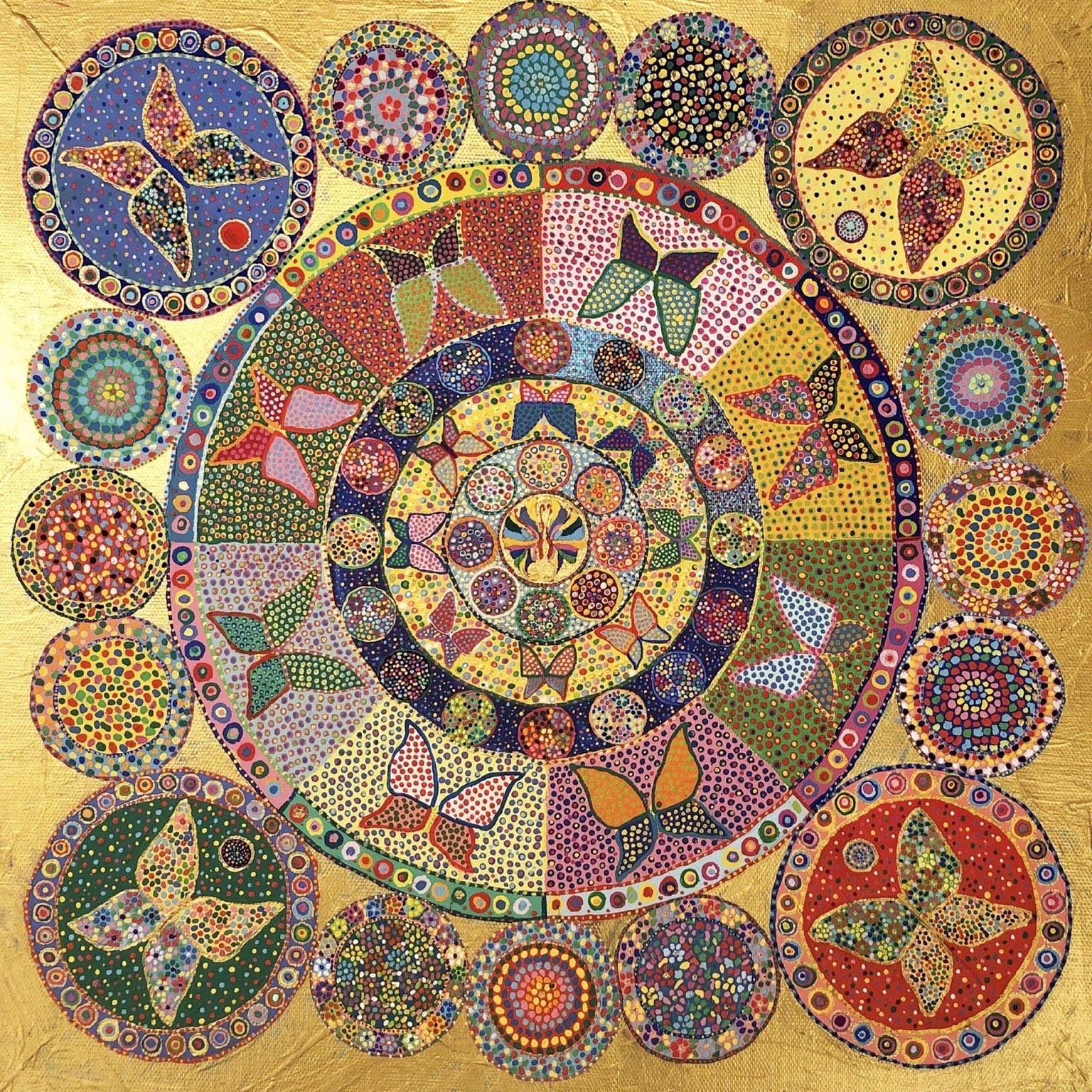
Parts and wholes
Parts create a whole, yet the whole is not merely their sum. Once formed, it changes how each part functions and is perceived.
Micro and macro therefore interact in both directions.
02 · THE BASIC STRUCTURE OF GENERATION
Generation lies not in a finished form, but in the process through which relations continually produce the next state.
FOUNDATIONAL PERSPECTIVE
Parts create a whole, yet the whole is not merely their sum. Once formed, it changes how each part functions and is perceived.
Micro and macro therefore interact in both directions.
A next state is shaped not only by the properties of its elements, but also by distance, position, contact, connection, separation, repetition, and difference.
When relations change, the possibilities of the whole also change.
Every state inherits the effects of those that preceded it and becomes a condition for what follows.
Generation accumulates history while continuing through cycles of formation, action, and reconfiguration.
Generation can be read as a shared structural principle across the human interior, life, nature, society, and art.